What the Research Shows About Dental Implant Success Rates

Jump to Section:
Dental implants have transformed how we replace missing teeth—delivering natural function, appearance, and longevity that other options like bridges or dentures can’t always match. But how reliable are dental implants in the long term? What does current research say about their success rates?
At Today’s Dental Grande Prairie, we’re often asked these questions by patients considering implants. Here’s what the evidence—and decades of data—show.
What Defines “Success” in Dental Implants?
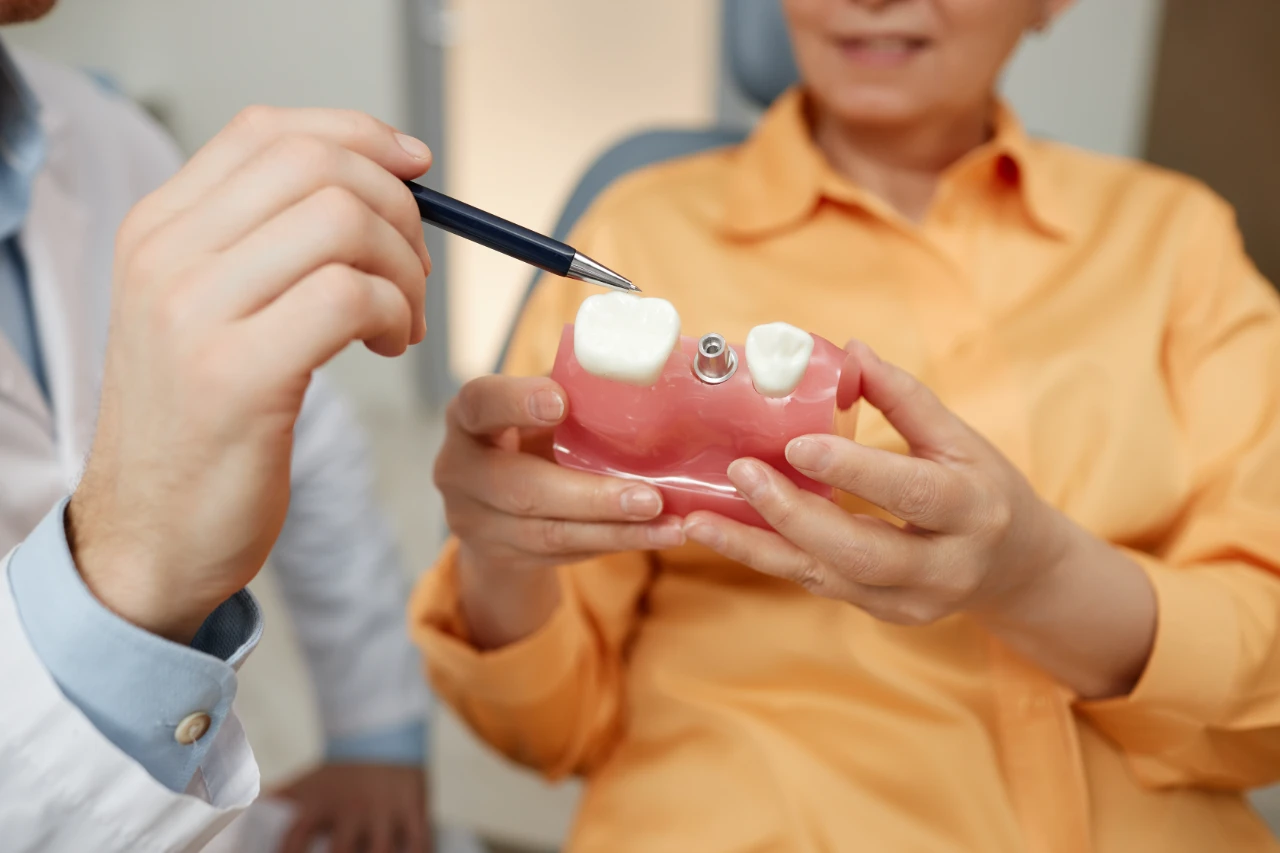
Success in dental implants typically means the implant remains functional and stable in the jawbone over time, without infection, pain, mobility, or ongoing bone loss. Many studies measure implant survival rate, which is slightly different—it simply reflects that the implant hasn’t failed or been removed. Both are useful markers when evaluating outcomes.
Clinical Success Criteria Include:
-
Firm osseointegration (bone-to-implant fusion)
-
Healthy gum tissue around the implant
-
Absence of radiolucency (bone loss) in X-rays
-
Functional use in biting and chewing
-
No persistent pain, mobility, or peri-implant disease
What Does the Research Say?
Across numerous studies and patient populations, dental implants consistently show high success rates—even over decades of follow-up.
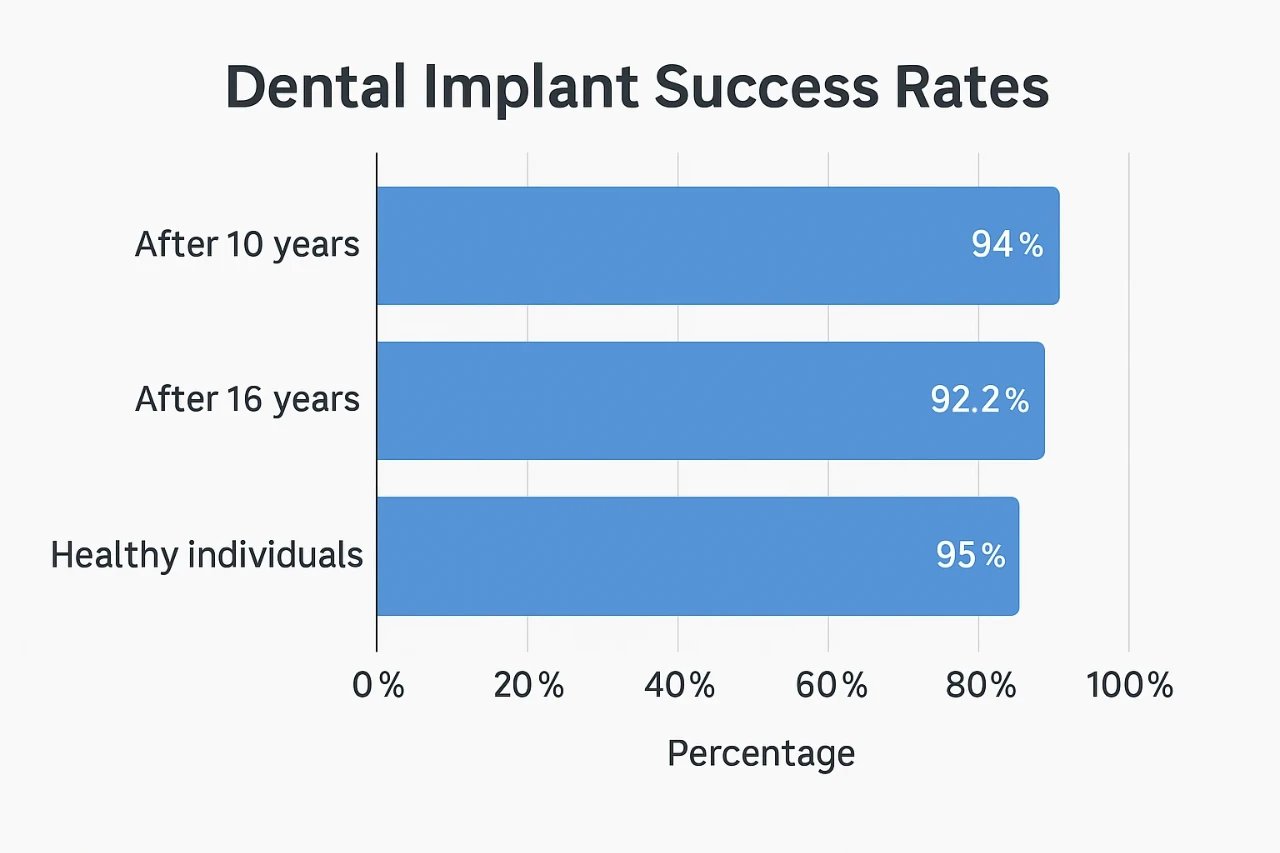
A systematic review published in the Journal of Oral Implantology found that implants have an average survival rate of 94% after 10 years (Moraschini et al., 2015).
Another long-term study published in Clinical Implant Dentistry and Related Research reported success rates of 92.2% at 16 years, covering over 10,000 implants (Buser et al., 2012).
For healthy individuals with no significant risk factors, recent meta-analyses peg long-term success at 95% or higher (Jung et al., 2012).
Implants in the lower jaw (mandible) tend to do slightly better than those in the upper jaw (maxilla), largely due to differences in bone density.
What Affects Implant Success?
Several factors play a role in how well a dental implant performs over the long run:
Bone Quality and Quantity
Sufficient bone is essential for osseointegration. Bone grafting may be recommended in cases of bone loss or insufficient volume. Learn more in our post on why bone grafting may be necessary.
Material Used
Titanium implants remain the gold standard due to their high biocompatibility and durability. Research consistently shows higher integration rates with titanium versus alternatives like zirconia. For more, see Why Titanium Is the Gold Standard.
Smoking and Systemic Health
Smokers and individuals with uncontrolled diabetes or autoimmune conditions face a higher risk of implant failure. Smoking, in particular, has been shown to double the failure rate due to impaired healing and blood flow (Bain & Moy, 1993). Health Canada also offers guidance on tobacco and oral health.
Surgical Technique and Experience
Experienced clinicians using evidence-based protocols consistently achieve better outcomes. At Today’s Dental, we plan every implant case carefully using 3D imaging and guided placement.
Oral Hygiene and Maintenance
Peri-implantitis (inflammation around the implant) is a growing concern, especially in patients who don’t maintain good home care or regular professional cleanings. We always educate our implant patients about maintenance, which is just as important as placement.
Special Cases: Immediate Loading and Full-Arch Solutions
Full-arch implant-supported options like All-on-4 or 3-on-6 solutions have grown in popularity. Despite involving fewer implants to support an entire arch, they still report strong success rates in well-selected cases.
A 2021 study in Clinical Oral Implants Research found a 97.5% implant survival rate over 7 years for All-on-4 patients, with most complications being prosthetic rather than surgical.
At our Grande Prairie clinic, we offer both All-on-4 and 3-on-6 treatment paths, tailored to bone levels and patient goals.
Implant Longevity and What to Expect
A well-placed and well-maintained implant can last 20 years or more—many last a lifetime. That said, the crown or prosthetic component may need replacing earlier due to wear.
If you’re wondering about durability, see our full guide on how long dental implants last.
How Implant Success is Supported at Today’s Dental Grande Prairie
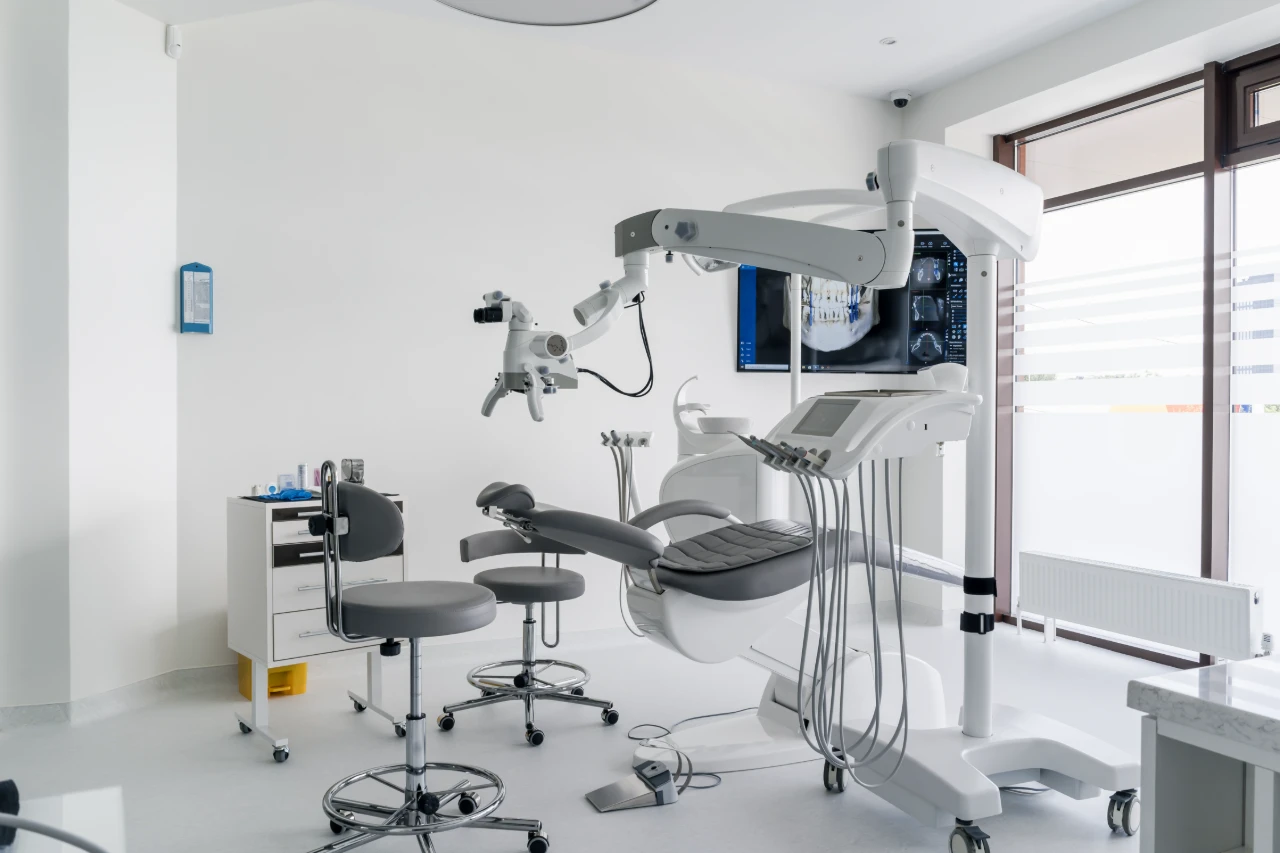
We use technology like CBCT scans and digital planning tools to assess your bone health and guide precise placement. Our team has years of experience restoring both individual implants and full-mouth cases. We also offer sedation options for those who feel nervous about surgery.
After placement, we continue to monitor healing and provide personalized home-care guidance. This includes how to brush and floss around your implant and how often to return for professional cleanings.
Success Doesn’t Mean “Set It and Forget It”
Even with impressive research-backed outcomes, implants aren’t entirely hands-off. Peri-implant disease is more common in patients who neglect professional care. Regular hygiene appointments, especially for patients with risk factors, are key to keeping your implant stable.
If your implant feels loose or the surrounding gum becomes red or swollen, it’s important to get it checked right away. Prompt attention can often resolve small issues before they become bigger ones.
What Happens If an Implant Fails?
Implant failure can occur early (within months of placement) or late (after years of use). Common causes include poor healing, infection, excessive stress on the implant, or progression of gum disease. Thankfully, implant failure is relatively rare and, in most cases, the area can be treated and a new implant placed later.
Key Takeaway
Dental implants have one of the highest success rates in all of modern dentistry—often exceeding 95% over many years. Outcomes are even better when patients maintain good oral hygiene, avoid smoking, and choose an experienced dental team. At Today’s Dental Grande Prairie, we’re here to guide you through the process and help your implant last for many years to come.
Sources:
-
Moraschini V, Poubel LA, Ferreira VF, Barboza ES. Implant survival rates: a systematic review. J Oral Implantol. 2015;41(3):e117-27. doi:10.1563/aaid-joi-D-14-00168
-
Buser D, Sennerby L, De Bruyn H. Clinical long-term results of osseointegrated implants. Clin Oral Implants Res. 2012;23(Suppl 6):1–2.
-
Jung RE, Zembic A, Pjetursson BE, Zwahlen M, Thoma DS. Systematic review of the survival rate and the incidence of biological, technical, and aesthetic complications of single crowns on implants reported in longitudinal studies with a mean follow-up of 5 years. Clin Oral Implants Res. 2012 Jun;23 Suppl 6:2-21.
-
Bain CA, Moy PK. The association between the failure of dental implants and cigarette smoking. Int J Oral Maxillofac Implants. 1993 Winter;8(6):609-15.
-
Clinical Oral Implants Research. 2021 study on All-on-4 survival rates.