The Difference Between All on 4 vs ‘3 on 6’ Implants
Jump to Section:
When you’re facing significant tooth loss, choosing the right implant solution feels overwhelming. Two popular full-arch restoration options—All on 4 and 3 on 6 dental implants—offer different approaches to replacing an entire row of teeth. Understanding how these treatments differ can help you make an informed decision about your smile restoration.
How All on 4 Implants Work
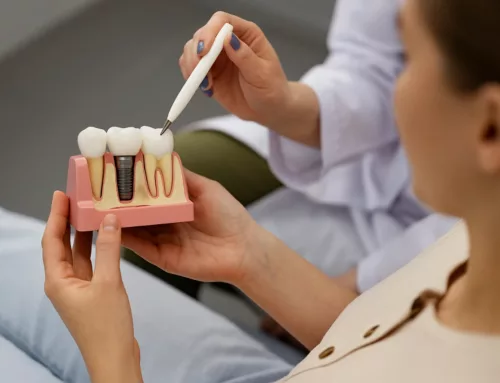
All on 4 dental implants use four strategically placed implants with two placed at an angle, while the front two are placed vertically. This technique creates a stable foundation for a full-arch prosthesis that includes both artificial teeth and gums. The implants are placed at a 45-degree angle in the jaw, which is beneficial for individuals with bone loss and often eliminates the need for a bone graft.
The All on 4 approach provides immediate results, allowing many patients to leave the dental office with temporary teeth on the same day as surgery. This method works well for patients with moderate bone density and offers a cost-effective solution for complete smile restoration.
Understanding 3 on 6 Dental Implants
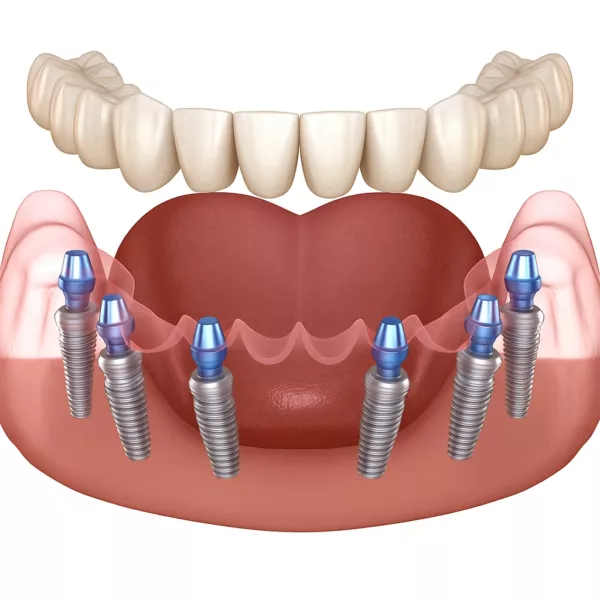
The 3 on 6 system segments your arch into three sections, with each section having two single implants with false teeth over the top. Using six strategically placed dental implants, the 3 on 6 system supports three custom-designed bridges across the upper or lower arch, closely replicating the look, feel, and function of natural teeth.
The 3 on 6 just looks like teeth, while the All on 4 looks more like a denture. This approach preserves your natural gum line and creates a more tooth-like appearance without artificial gum material.
Key Differences Between the Two Systems
Structural Design
- All on 4: Single prosthetic piece with artificial gums supported by four angled implants
- 3 on 6: Three separate bridges supported by six straight implants
Appearance and Feel
The 3 on 6 can be cleaned at home by brushing and flossing, and never need to be removed for cleanings. The 3 on 6 looks and feels more like natural teeth. There’s no artificial gum line above the teeth, creating a more natural appearance.
Stability and Support
You may prefer 3 on 6 for greater stability. Research suggests dental implants help prevent bone loss. The additional implants distribute forces more evenly across the jaw.
Maintenance Requirements
Since the restoration can be so thick, it may be difficult to clean underneath without removal with All on 4 systems. In contrast, 3 on 6 bridges can be maintained with regular brushing and flossing, just like natural teeth.
Who Makes a Good Candidate?
All on 4 Candidates:
- Patients with moderate bone density
- Those seeking a cost-effective solution
- Individuals wanting immediate results
- People comfortable with a denture-like appearance
3 on 6 Candidates:
In order to be a candidate, you need to have bad teeth that need extraction but at the same time have jaw bone that’s in pristine condition. If you had dentures for a while, you are missing bone and gum tissue, and Three-on-Six is not an option at all.
Potential Drawbacks to Consider
All on 4 Limitations:
- May require more complex cleaning procedures
- Single-piece design means if issues arise, the entire prosthesis may need attention
- Bulkier appearance compared to individual teeth
3 on 6 Concerns:
If one of the two implants supporting any one of the three bridges fails, that entire bridge is lost. The bone in this area is recognized as one of the weakest bones in the mouth, particularly in the posterior maxilla.
Hygiene is more challenging with Three-on-Six dental implants. With 3-on-6, you have three separate bridges with a highly uneven surface to mimic natural tooth anatomy.
Making Your Decision
The choice between All on 4 and 3 on 6 implants depends on several factors including your bone density, aesthetic preferences, budget, and long-term maintenance preferences. The difference isn’t cosmetic and what works best for you depends on your unique case.
Both options offer significant improvements over traditional dentures, providing stability, improved chewing function, and enhanced confidence. Your dental team will evaluate your specific situation using advanced imaging to determine which approach offers the best long-term success for your individual needs.
Key Takeaway
While All on 4 offers a proven, cost-effective solution with immediate results, 3 on 6 provides a more natural appearance and tooth-like maintenance routine. The best choice depends on your bone quality, aesthetic goals, and willingness to invest in additional implants for enhanced stability. Schedule a consultation to discuss which option aligns with your specific needs and expectations.
Ready to explore your full-arch implant options? Contact Today’s Dental Grande Prairie at 8200 100 St Unit 110, Grande Prairie, AB T8V 6H7 to schedule your comprehensive evaluation and discuss whether All on 4 or 3 on 6 implants are right for your smile restoration goals.