How Long Do Dental Implants Actually Last? Factors That Affect Longevity
Jump to Section:
When you’re considering dental implants, one of the first questions that comes to mind is probably “How long will they last?” It’s a fair question, especially when you’re making this kind of investment in your smile and oral health. The good news is that dental implants are built to go the distance, but their lifespan depends on several key factors that are largely within your control.
The Numbers Behind Implant Success
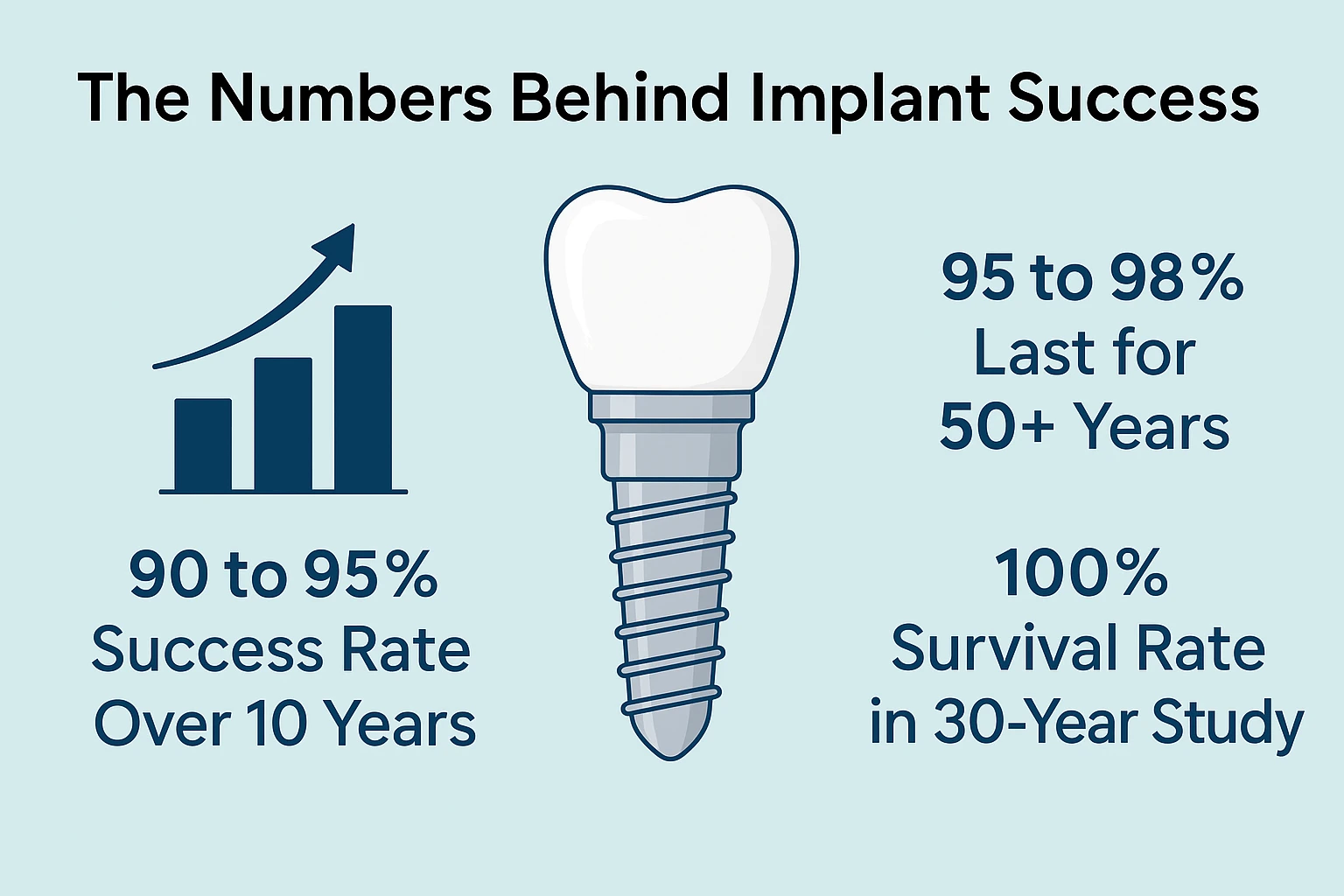
Research consistently shows impressive longevity rates for dental implants. Studies report a 90 to 95 percent success rate of dental implants over a period of 10 years, with some research showing even better outcomes. A comprehensive study following 10,871 implants over up to 22 years found excellent long-term performance, while another remarkable 30-year study showed a 100% survival rate with not a single dental implant failing.
What does this mean for you? Most people who receive dental implants can expect them to function well for decades, and in many cases, for life. Between 95 and 98 percent of all implants last for 50 years or more, making them one of the most reliable tooth replacement options available.
Understanding the Two-Part System
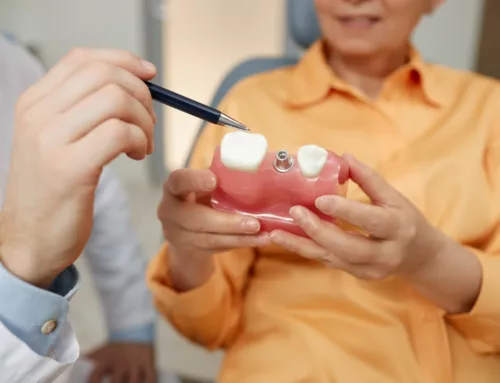
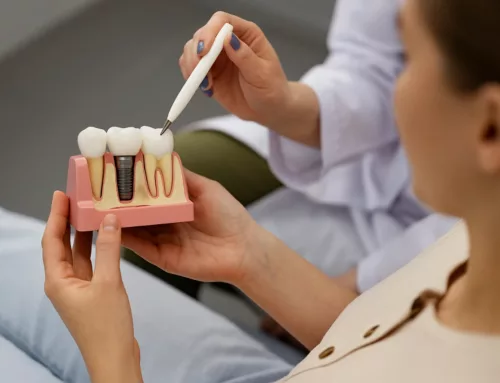
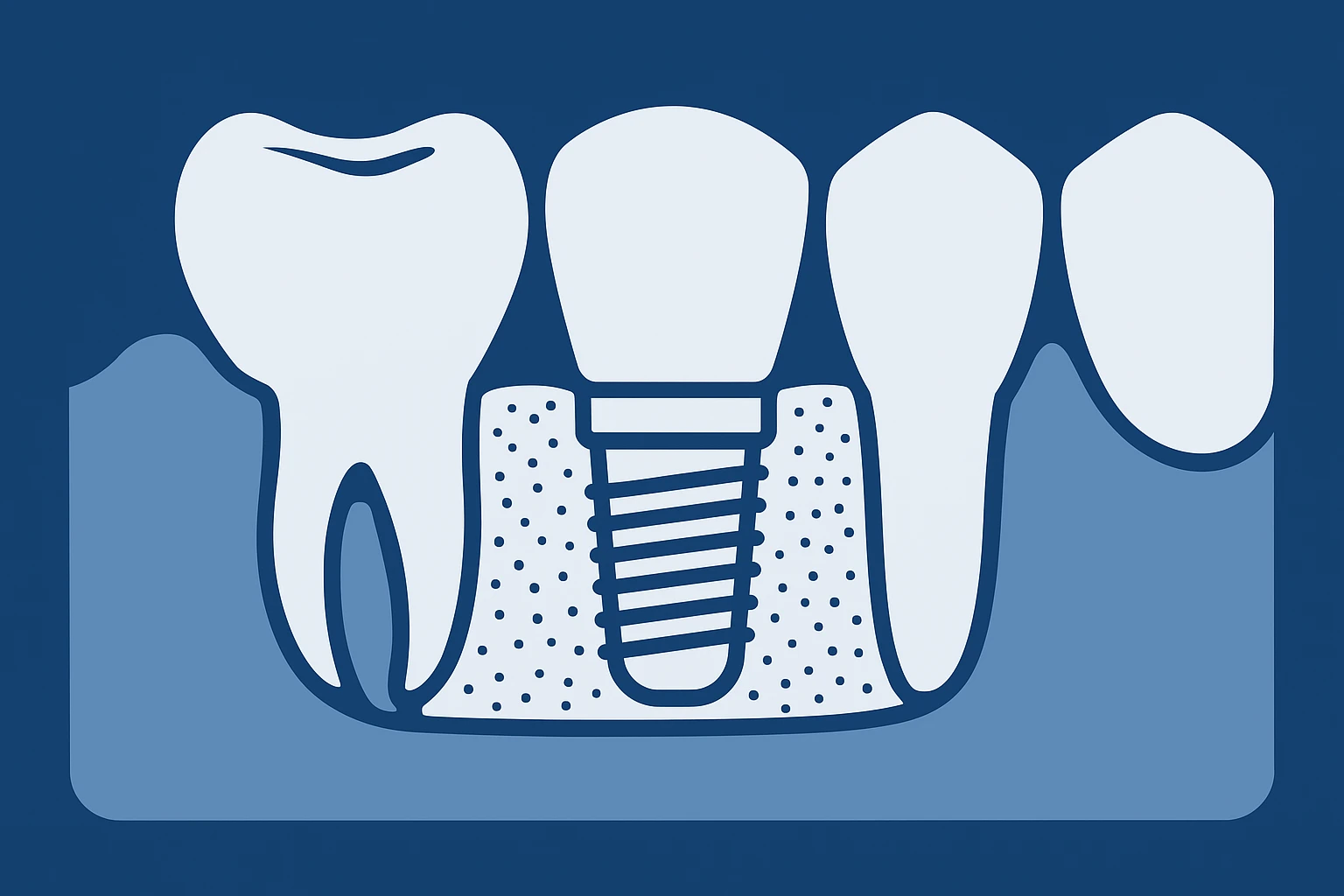
To understand implant longevity, you need to know that dental implants consist of two main components:
The Implant Post: This titanium screw is surgically placed into your jawbone and serves as the artificial tooth root. Through a process called osseointegration, your bone actually grows around and fuses with the implant, creating an incredibly strong foundation.
The Crown: This is the visible tooth portion that sits on top of the implant post. Made from materials like porcelain or zirconia, crowns handle the daily work of chewing and biting.
Here’s the interesting part: the implant post has the capability to endure indefinitely with proper care, while the crown portion may need replacing after 10-15 years because of normal wear and tear. Think of it like replacing the tires on a car while keeping the same reliable engine.
Factors That Influence Implant Lifespan
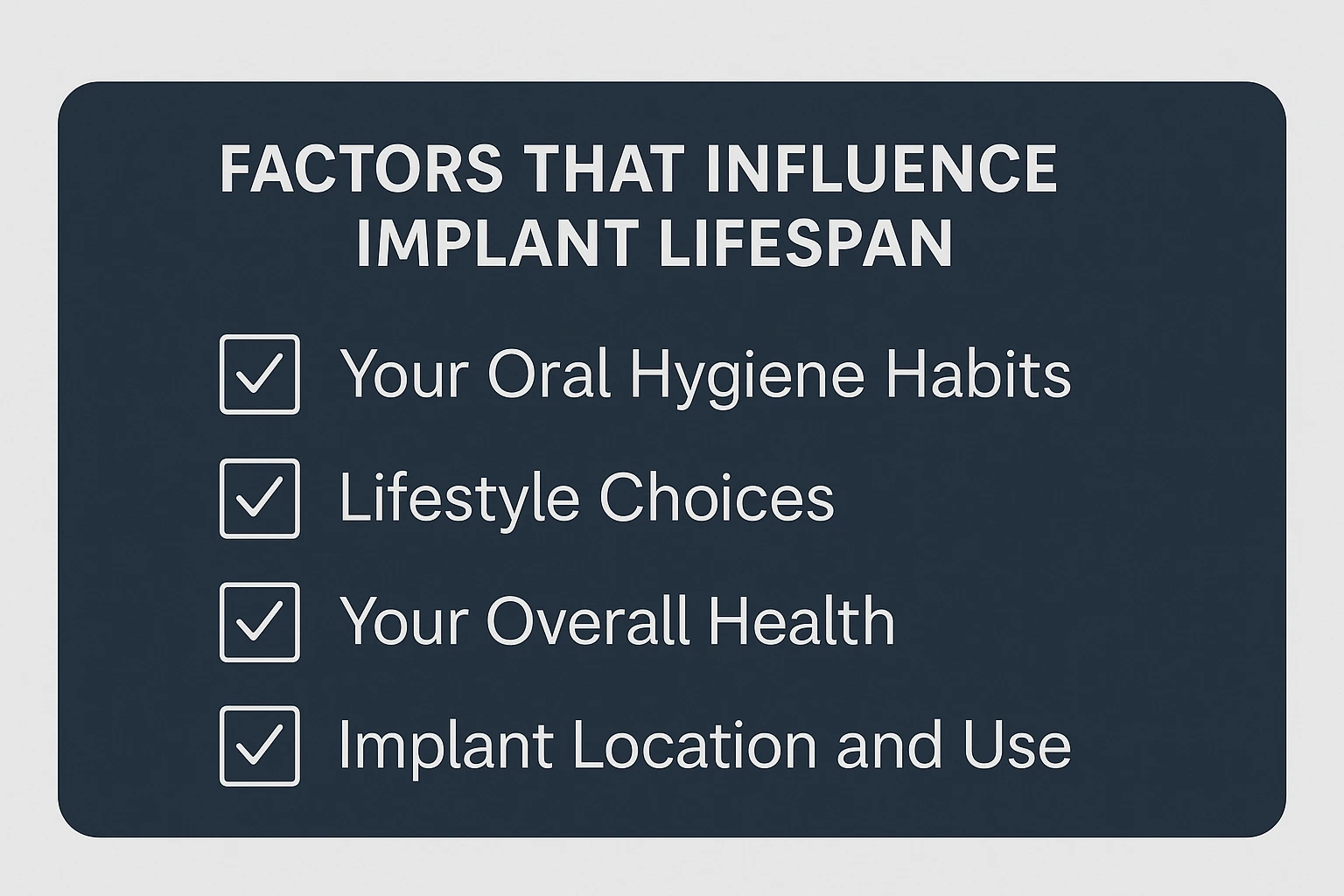
Several factors play a role in determining how long your dental implants will serve you:
Your Oral Hygiene Habits
Just like natural teeth, implants need daily care. Although implants are not susceptible to decay, the gum tissue surrounding the area can develop periodontal disease known as peri-implantitis. This condition can threaten the bone support around your implant, so consistent brushing, flossing, and using antimicrobial mouthwash are essential. Regular dental cleaning and exams help maintain healthy tissues around your implants.
Lifestyle Choices
Smoking significantly impacts implant success. Smoking and radiotherapy have been shown to increase implant failure by impairing healing and reducing blood flow to the implant site. Similarly, excessive alcohol consumption can negatively affect your body’s ability to maintain healthy tissues around the implant.
Your Overall Health
Certain medical conditions can influence implant longevity. Studies have shown diabetes and osteoporosis are also risk factors for implant complications. Patients with poorly controlled diabetes suffer from impaired osseointegration, elevated risk of peri-implantitis, and a higher level of implant failure.
Implant Location and Use
Implants in the back of your mouth experience greater chewing forces and may face more challenges than those in the front. Additionally, if you grind your teeth (bruxism), this can put excessive stress on both the implant and crown.
Quality of Initial Treatment
The expertise of your dental team and the quality of materials used make a significant difference. Proper treatment planning, surgical technique, and high-quality implant systems all contribute to long-term success.
Maximizing Your Implant Investment
To get the most years out of your dental implants, focus on these proven strategies:
Maintain Excellent Oral Hygiene: Brush twice daily with a soft-bristled toothbrush, floss regularly, and use antimicrobial mouthwash. Consider using interdental brushes or water flossers for thorough cleaning around the implant.
Keep Regular Dental Appointments: Dental implants should be examined and professionally cleaned every 3-6 months. Your dental team can catch potential issues early and provide specialized cleaning that goes beyond what you can accomplish at home.
Choose Implant-Friendly Products: Use non-abrasive toothpaste and avoid whitening products that can scratch the crown surface. Your dental team can recommend the best products for your specific situation.
Protect Against Grinding: If you grind or clench your teeth, especially at night, discuss getting a custom mouth guard to protect your implants from excessive forces.
Make Smart Food Choices: While implants allow you to enjoy most foods, avoid extremely hard items like ice or hard candies that could damage the crown.
The Long-Term Perspective
One of the most encouraging aspects of current implant research is that we haven’t yet found the upper limit of implant lifespan. Since most people get dental implants in the 50+ age group, and the average lifespan in the US is around 80 years, most people who get dental implants will have them for the rest of their lives.
Dental implant procedures generally achieve success rates above 90%, and studies show that most implants stay functional for at least 20 years. As technology continues to advance and our understanding of implant care improves, these numbers are likely to get even better.
When Complications Arise
While implant failure is relatively rare, it’s important to recognize warning signs early. Watch for persistent pain, swelling, or changes in how your implant feels. Peri-implantitis is a type of gum disease that affects the tissue around the implant, leading to inflammation and bone loss. Early intervention can often prevent more serious complications. If you experience any concerning symptoms, don’t wait – contact an emergency dentist right away.
Your Investment in Lifelong Oral Health
At Today’s Dental Grande Prairie, we’ve seen firsthand how dental implants can transform our patients’ lives. The research consistently shows that with proper care and regular professional maintenance, your implants can serve you for decades.
Key Takeaway: Dental implants offer exceptional longevity, with success rates exceeding 90% over 10+ years and many lasting a lifetime. While the crown may need replacement after 10-15 years due to normal wear, the implant post itself can endure indefinitely with proper care. Your daily oral hygiene habits, regular dental visits, and healthy lifestyle choices are the biggest factors in maximizing your implant investment. With Grande Prairie’s experienced dental team supporting your implant journey, you can expect years of confident smiles and comfortable function from your dental implants.
Ready to learn more about dental implants and whether they’re right for you? Contact Today’s Dental Grande Prairie at our convenient location at 8200 100 Street, Unit 110. Our experienced team is here to help you make informed decisions about your oral health and explore financing options to make quality dental care accessible. You can also meet our experienced dental team who specialize in implant dentistry.