Osseointegration Explained: How Dental Implants Fuse with Your Jaw
Jump to Section:
What Happens During Osseointegration
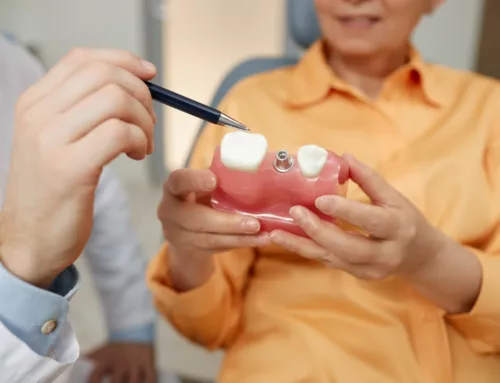
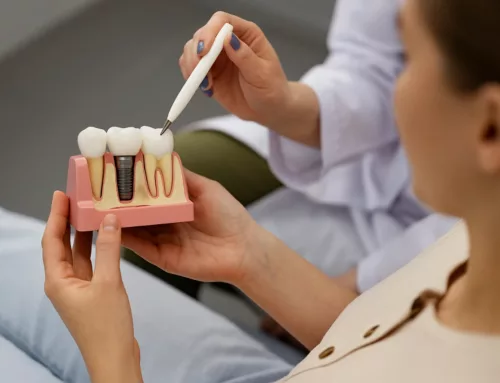
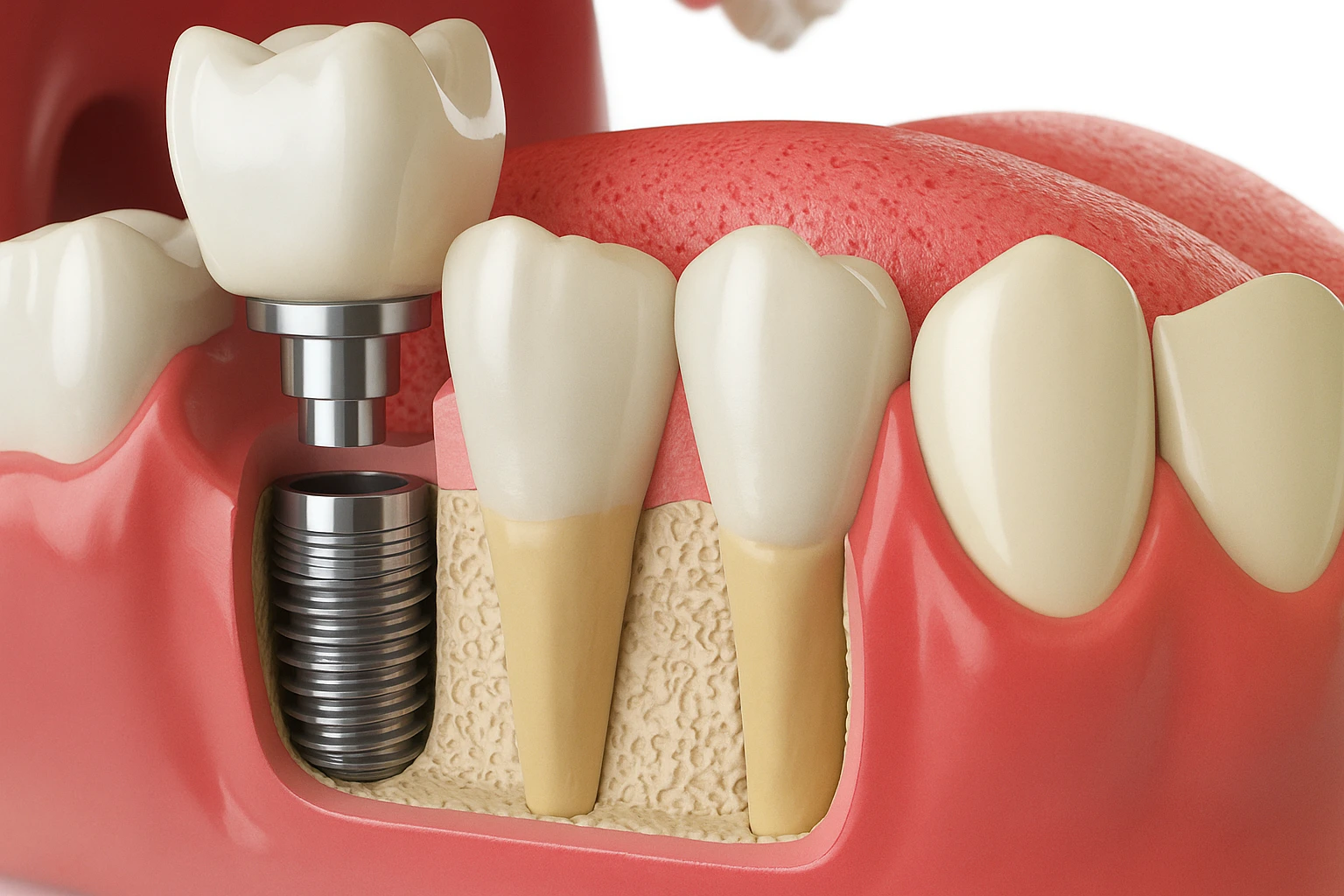
When your dentist places a titanium implant into your jawbone, your body begins an extraordinary healing process. Within hours, blood cells and proteins start forming around the implant surface. Over the following weeks, specialized bone cells called osteoblasts begin depositing new bone tissue directly onto the titanium surface.
This isn’t simply bone growing near the implant – it’s bone actually fusing with the metal at a microscopic level. The titanium’s unique surface properties encourage this integration, creating a bond that becomes stronger than many natural tooth-to-bone connections.
The process typically takes 3-6 months to complete, though individual healing times vary based on factors like bone density, overall health, and the implant location in your mouth.
Why Some Implants Don’t Integrate Successfully
While dental implant success rates exceed 95%, certain factors can interfere with osseointegration. Smoking significantly reduces blood flow to the healing tissues, slowing bone formation around the implant. Uncontrolled diabetes affects your body’s ability to heal and fight infection.
Poor oral hygiene during the healing period can lead to bacterial infections that prevent proper bone formation. Some medications, particularly those used to treat osteoporosis, may also affect bone metabolism and integration.
Your dentist will evaluate these risk factors during your consultation and may recommend treatments like periodontal therapy or smoking cessation programs before implant placement.
Supporting Your Body’s Natural Healing
You can actively support the osseointegration process through proper aftercare. Following your dentist’s post-surgical instructions helps protect the healing implant site. Avoiding hard foods, maintaining gentle oral hygiene, and attending follow-up appointments all contribute to successful integration.
Adequate nutrition plays a role too. Calcium, vitamin D, and protein support bone formation, while vitamin C aids in tissue healing. Your body needs these building blocks to create the new bone tissue that will secure your implant.
The Role of Modern Technology
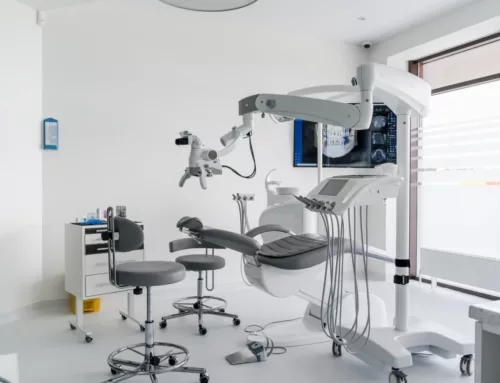
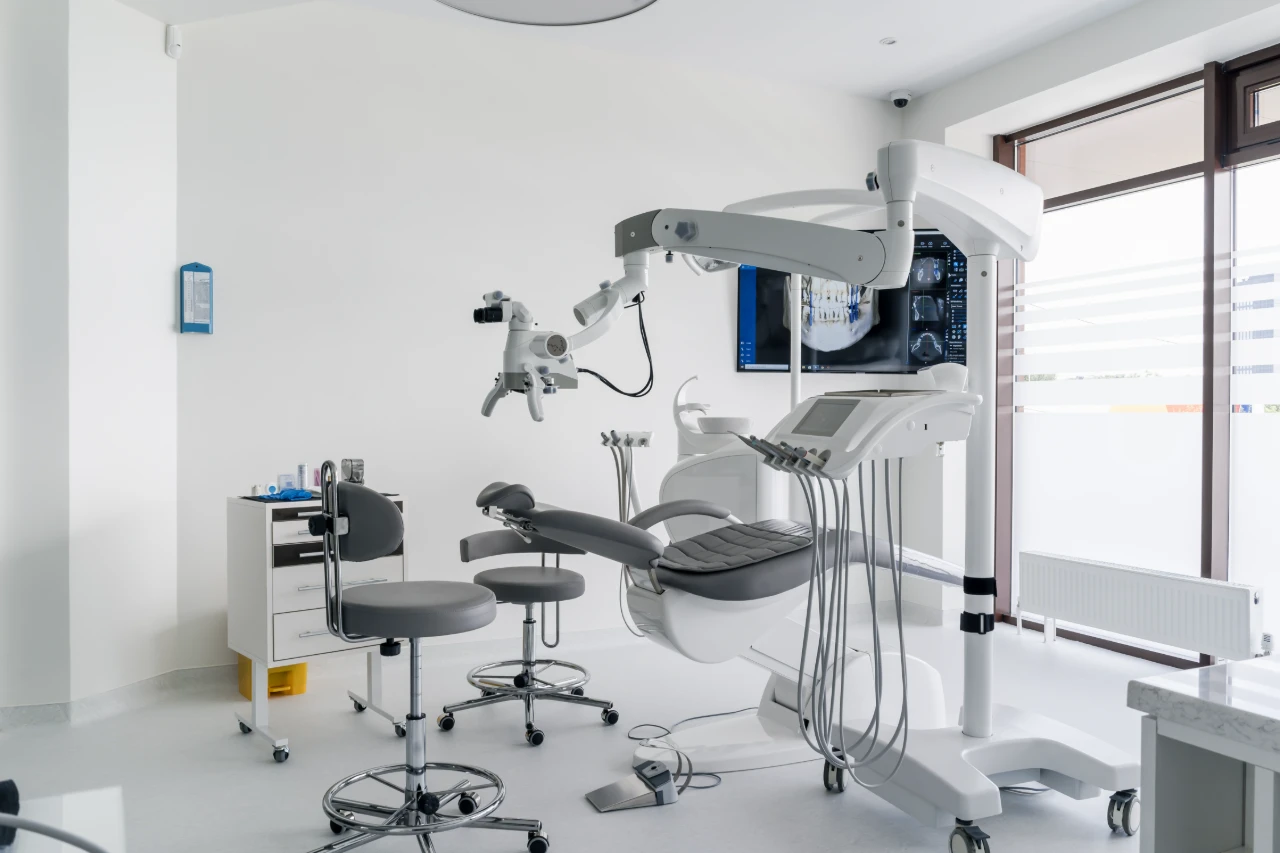
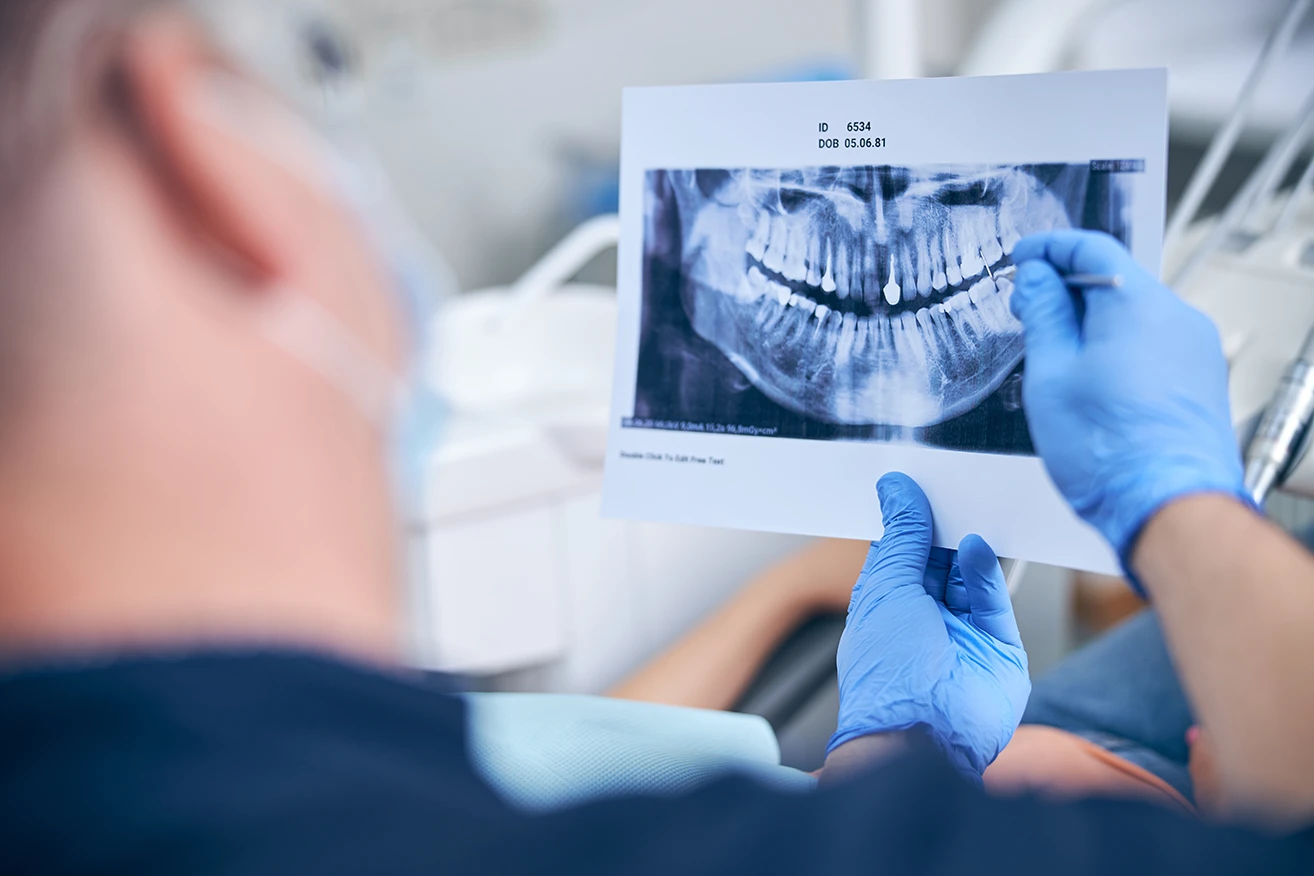
Advanced imaging technology helps dentists predict osseointegration success before surgery begins. 3D cone beam CT scans reveal bone density and quality, allowing for precise implant placement in areas with the best integration potential.
Some dental practices now use surface-treated implants designed to encourage faster bone formation. These innovations can reduce healing times while maintaining the same excellent long-term success rates.
Signs of Successful Integration
During healing, you shouldn’t experience persistent pain, swelling, or mobility in the implant area. Successful osseointegration feels comfortable – you won’t sense the implant’s presence once the tissues heal completely.
Your dentist will monitor the integration process through regular check-ups and may use specialized instruments to test implant stability before placing the final crown or restoration.
Canadian Research and Standards
Canadian dental research has contributed significantly to our understanding of osseointegration. The University of Toronto’s Faculty of Dentistry has published extensive studies on implant success factors, helping establish treatment protocols used worldwide.
Health Canada’s medical device regulations require rigorous testing of implant materials and surfaces to verify their osseointegration potential before approval for clinical use.
Key Takeaway
Key Takeaway: Osseointegration transforms a titanium implant from a foreign object into a living part of your jawbone through your body’s natural healing processes. This biological fusion creates the stable foundation that makes dental implants feel and function like natural teeth. Success depends on proper surgical technique, good oral health, and following post-operative care instructions to support your body’s remarkable ability to integrate the implant permanently.
Ready to learn if dental implants are right for you? Contact Today’s Dental Grande Prairie at 8200 100 St Unit 110, Grande Prairie, AB T8V 6H7 to schedule your consultation and discover how osseointegration can restore your smile.