Swollen Face and Gums – Recognizing Serious Dental Infections

Jump to Section:
You wake up one morning and half your face looks like you went three rounds with a boxer. Or maybe you notice a sore, swollen bump on your gum that was not there yesterday. At Today’s Dental Grande Prairie, we see patients every week who thought swelling would fade on its own. It does not.
Facial swelling and gum infections are your body’s way of sounding the alarm. While not every swollen area is life-threatening, some infections spread quickly beyond the mouth and can become dangerous. Knowing the difference can save your life.
Understanding Dental Infections
Think of your tooth like a fortress. The hard outer shell protects the soft center where nerves and blood vessels live. When bacteria break through, usually through a cavity, crack, or injury; they multiply rapidly inside. Your immune system fights back, creating pus that builds up pressure until it pushes through the gum, forming a bump.
If the infection cannot drain, bacteria can travel into your bloodstream or spread through tissues in your face and neck, even reaching your brain, heart, or lungs.
Warning Signs That Need Immediate Attention
Some symptoms mean you should seek emergency care right away:
- Difficulty swallowing or breathing
- High fever (over 101°F)
- Swelling that reaches your eye or neck
- Confusion, dizziness, or feeling very ill
- Rapid heartbeat or faintness
- Trouble opening your mouth normally
If you experience any of these, go to the emergency room immediately. Do not wait to see if things improve.

Common Early Warning Signs
Most infections start with smaller symptoms. A throbbing toothache that worsens, a swollen bump on the gum, bad taste or breath that lingers, or sensitivity to hot and cold can all be early signs. Swelling that gradually increases or pain spreading to your ear, jaw, or neck means bacteria are active and need professional care.
Types of Dental Abscesses
- Periapical abscesses form at the tip of a tooth root, often from untreated decay that killed the nerve, and usually cause severe pain. Patients often describe it as a deep, relentless throb that does not ease with rest or medication.
- Periodontal abscesses develop in the gum tissue, often from trapped food or gum disease, and may drain on their own. While drainage can reduce pressure temporarily, the infection remains and usually returns.
- Pericoronitis happens when gums become infected around a partially erupted tooth, most often wisdom teeth, leading to painful swelling and limited mouth opening. It can make chewing difficult and sometimes feels like a constant pressure in the back of the jaw.
What to Do (and Not Do) at Home
While you wait for treatment, you can take steps to ease symptoms:
- Take over-the-counter ibuprofen to help with pain and inflammation by calming the body’s natural response to infection.
- Rinse with warm salt water several times a day to keep the area clean and help draw out fluid to reduce irritation.
- Apply a cold compress outside your cheek to reduce swelling and make discomfort easier to manage.
- Rest, stay hydrated, and avoid alcohol so your body can focus on healing.
Avoid harmful practices:
- Never try to drain an abscess yourself, which can push bacteria deeper.
- Do not apply heat, which encourages bacteria to spread faster.
- Do not take leftover antibiotics or borrow someone else’s medication, since the wrong drug or dose can make things worse.
- Never ignore the problem—dental infections always worsen without care.
Professional Treatment Options
At Today’s Dental, we begin with an exam and X-rays to identify the source. If decay is the cause, root canal therapy removes infected tissue and seals the tooth. If the infection is too advanced, tooth extraction may be needed, with replacement options like dental implants once healing occurs. Severe swelling may require a small incision to drain pus and relieve pressure. For anxious patients, sedation dentistry keeps treatment comfortable. Antibiotics are prescribed if infection is spreading, but they work alongside dental treatment, not in place of it.
Preventing Future Infections
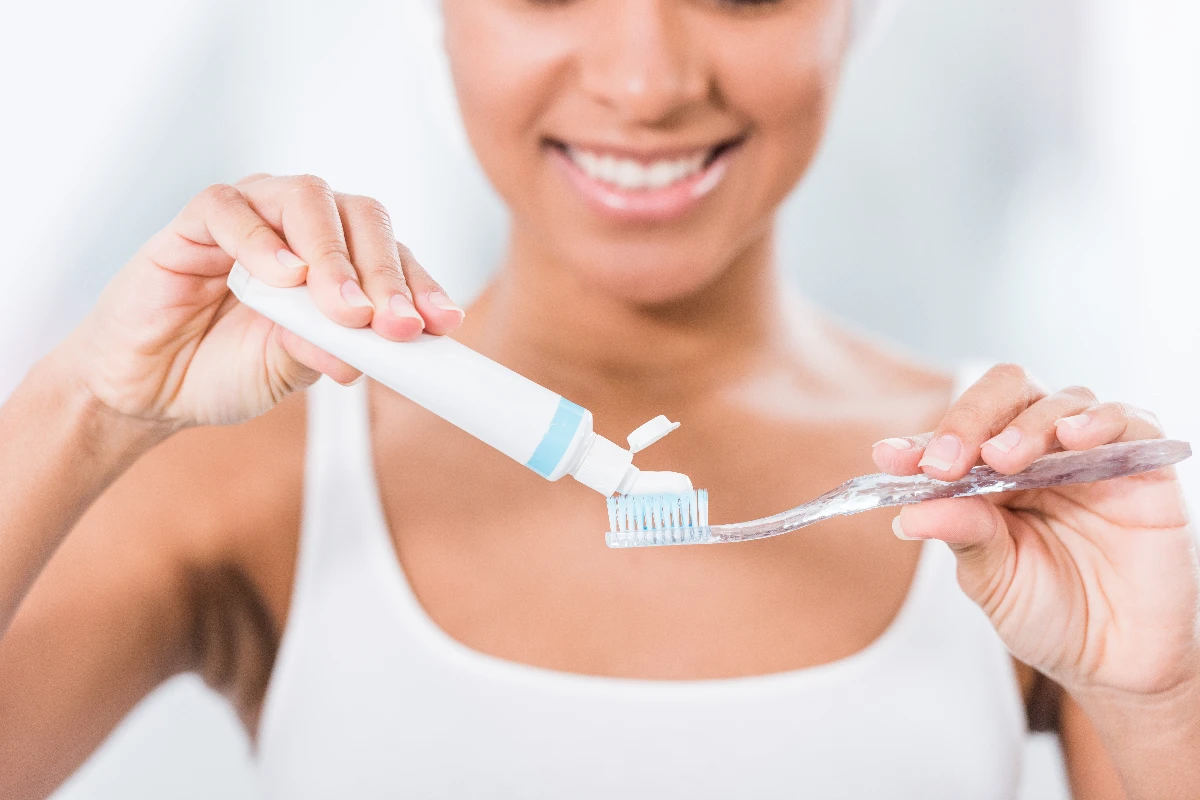
Most dental infections are preventable. Brush twice daily with fluoride toothpaste, floss once a day, and pay close attention to the gum line. Regular dental cleaning and exams help catch cavities early and remove tartar that harbors bacteria. Promptly treating small issues with dental fillings prevents bigger procedures later. If you grind at night, a mouth guard protects against cracks that give bacteria an entry point. Small habits add up, and prevention is always easier than emergency repair.
The Connection Between Oral and Overall Health
Oral infections do not stay confined to the mouth. Statistics Canada reports that nearly one-quarter of Canadians experienced mouth pain during the pandemic, with many delaying care. Untreated infections can enter the bloodstream and reach vital organs, contributing to serious conditions like heart disease, diabetes, and stroke. Beyond these risks, infections also put extra stress on the immune system, leaving your body less able to fight off other illnesses.
When Emergency Room Care Is Needed
Sometimes infections become medical emergencies requiring hospital intervention. The Public Health Agency of Canada stresses prompt treatment to prevent complications. ERs can provide antibiotics and stabilization, but dental follow-up is always needed. Seek emergency care if you have trouble breathing or swallowing, a high fever with confusion, or swelling spreading quickly. Hospital care can save your life, but your dentist is the one who removes the source of infection for long-term relief.
Getting Prompt Care
The best time to call Today’s Dental is at the first sign of swelling or pain. Early treatment is simpler, more comfortable, and less expensive than waiting until it becomes an emergency. We often offer same-day appointments, and our emergency protocols provide guidance after hours. When you call, our team prioritizes infection cases and walks you through safe steps until you can be seen. Acting quickly often means saving the tooth, avoiding more invasive procedures, and lowering overall costs.
Do not let cost worries delay care. We work with most insurance plans and offer payment options to make treatment accessible. Our team will explain coverage clearly so you know what to expect.
Dental infections never resolve on their own. Quick action protects your tooth, your health, and sometimes your life. For urgent care of swollen face and gums in Grande Prairie, contact Today’s Dental at 587‑803‑8083. We are located at 8200 100 St Unit 110, Grande Prairie, AB T8V 6H7, ready to help you before a small problem becomes a big one. Acting early not only brings peace of mind but also helps you get back to feeling like yourself faster.