A Parent’s Emergency Guide to Dental Trauma in Children
Jump to Section:
When your child damages a tooth, knowing what to do in those first few minutes can make the difference between saving the tooth and losing it. At Today’s Dental Grande Prairie, we help families through dental emergencies every week, and we understand how frightening it can be when your child is hurt and in pain. Children are naturally active, which makes dental injuries common. Falls from bikes, playground accidents, and sports injuries happen fast, but your quick response can protect your child’s smile and prevent more serious complications.

Types of Injuries and Age Considerations
Knocked-out teeth are the most serious dental emergency. Permanent teeth that are completely knocked out can often be saved if you act quickly, but baby teeth should never be put back in place as this can damage the developing permanent tooth underneath.
Chipped or cracked teeth happen frequently. Small chips may only need smoothing, while larger breaks can require immediate treatment to prevent infection. Sometimes the damage isn’t visible, but your child may feel pain when biting or drinking cold liquids.
Loose teeth from trauma need professional evaluation even if they don’t fall out completely. The supporting structures may be damaged, and early treatment can prevent the tooth from being lost later.
Injuries to the lips, gums, or tongue often bleed heavily, though they may look worse than they are. Deep cuts or puncture wounds may need stitches or professional cleaning to prevent infection.
Age matters when managing these injuries:
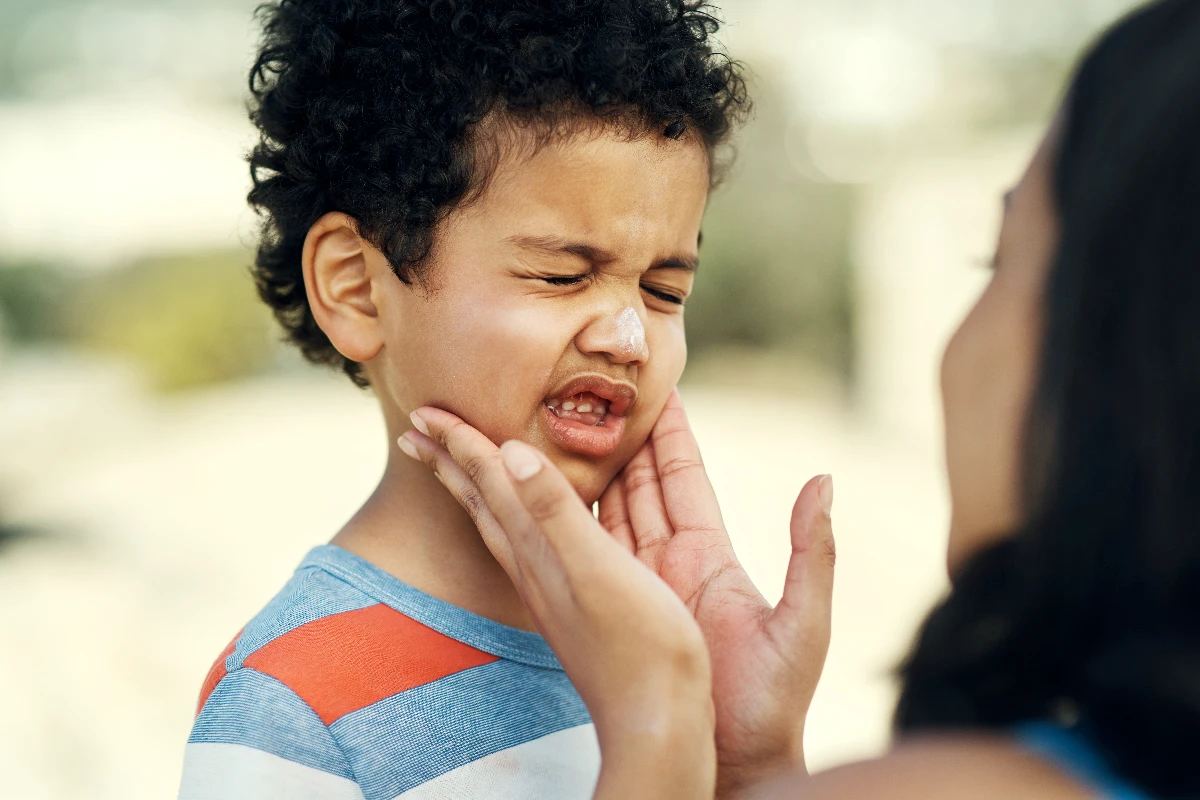
- Toddlers and preschoolers may not explain pain clearly. Watch for signs like refusing to eat, excessive drooling, or repeatedly touching their mouth.
- School-age children usually cooperate with treatment but could feel embarrassed if front teeth are damaged. Reassure them their smile can be restored.
- Teenagers often experience trauma during sports. They may worry about appearance or downtime from activities. Honest communication about recovery helps with cooperation.
The Canadian Paediatric Society emphasizes that prompt evaluation and appropriate management of paediatric emergency situations, including dental trauma, significantly improves outcomes and reduces the risk of long-term complications in children.
Emergency vs. Next-Day Care
Some dental injuries require immediate care, while others can wait until the next day. Knowing the difference reduces stress and prevents complications.
Seek emergency care if your child has:
- A permanent tooth knocked completely out
- A broken tooth with visible nerve (pink or red inside)
- Severe bleeding that won’t stop after 15 minutes of pressure
- Facial swelling or signs of infection
- Severe pain not relieved by children’s pain medication
- Any injury that prevents eating, drinking, or sleeping
You can usually wait for next-day care if your child has:
- A small chip without pain
- A slightly loose baby tooth
- Minor cuts to lips or gums that stop bleeding with pressure
- Mild sensitivity without visible damage
Immediate Response for Parents
Quick action improves outcomes. Stay calm and help your child remain calm too.
If a permanent tooth is knocked out:
- Pick it up by the crown (white part), never the root.
- Rinse gently with water if dirty, but don’t scrub or use soap.
- Reinsert in the socket if possible; otherwise, place in milk or your child’s saliva.
- Get to a dentist within 30 minutes.
If there’s bleeding:
- Apply gentle pressure with clean gauze or cloth.
- If bleeding doesn’t stop after 15 minutes, seek emergency care.
If a tooth is broken:
- Rinse with warm water.
- Save any broken pieces.
- Apply a cold compress to reduce swelling.
- Give age-appropriate pain medication if needed.
Managing Pain Safely
Pain management should be safe, age-appropriate, and temporary until professional care is provided.
Do:
- Give children’s acetaminophen or ibuprofen as directed by package instructions.
- Apply cold compresses to the outside of the face for 10–15 minutes at a time.
- Offer soft foods and cool liquids.
- Use gentle saltwater rinses if your child is old enough not to swallow (usually age 6+).
- Distract with reading, quiet games, or a favourite movie.
Don’t:
- Put aspirin directly on gums or teeth.
- Use topical numbing gels unless directed by a dentist.
- Allow hard, crunchy, or very hot foods.
- Let your child chew on the injured side.
- Exceed recommended medication doses.
Professional Treatment Options
When you bring your child to Today’s Dental for emergency care, our pediatric dentistry team focuses on comfort and clear communication.
Treatment may include:
- Dental bonding for small chips
- Dental crowns for larger breaks
- Sedation dentistry for anxious children or extensive procedures
- Tooth extraction when a tooth cannot be saved, with future replacement options discussed if permanent
Prevention and Preparedness
Many childhood dental injuries can be prevented or managed more easily with preparation.
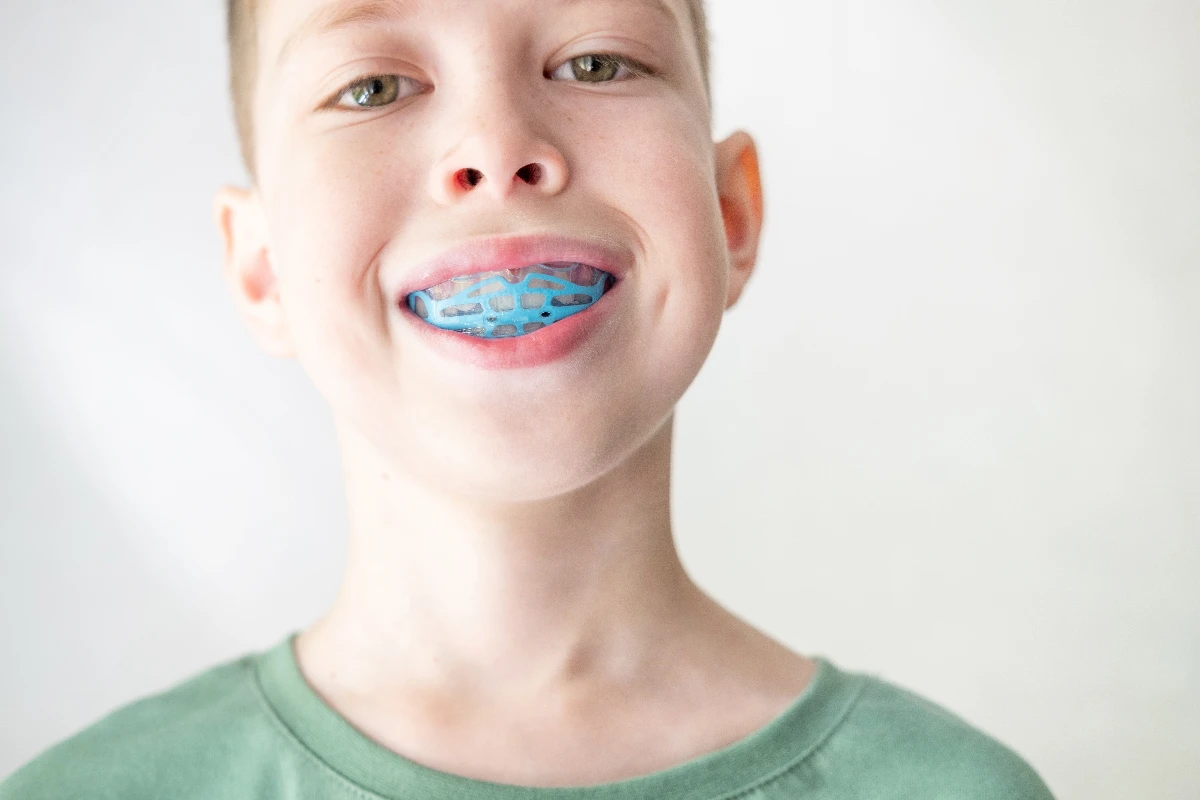
- Mouth guards protect children who play sports. Custom-fitted guards are more effective and comfortable than store-bought ones.
- Childproofing your home—securing furniture, using corner guards, and keeping small objects out of reach—reduces risk for toddlers.
- Teach children safety rules: wear helmets, avoid running with objects in their mouths, and play carefully on playground equipment.
- Regular dental cleaning and exams identify teeth that may be more prone to injury.
- Make sure schools and caregivers have your dentist’s contact information and know what requires immediate pickup.
Health Canada emphasizes that cost should not delay care, and programs like the Canadian Dental Care Plan help ensure children receive treatment when needed.
Preparing for Emergencies
Keep a small dental emergency kit at home and in your car with gauze, a container with a lid for knocked-out teeth, children’s pain medication, and your dentist’s contact details. Teach older kids what to do if you aren’t nearby: save broken pieces, rinse gently, and get help from a trusted adult. Your calm response sets the tone. Practice handling minor bumps calmly so you and your child are better prepared if a serious injury happens.
Getting Emergency Care
If your child experiences a dental emergency, contact Today’s Dental. We’ll guide you through first steps and arrange treatment. For after-hours emergencies, we provide clear instructions for accessing urgent care until professional help is available. Children often heal faster than adults, but prompt action makes all the difference. Quick response and professional treatment protect your child’s natural teeth and long-term oral health.
For emergency pediatric dental care in Grande Prairie, contact Today’s Dental at 587-803-8083. We’re here to provide gentle, effective care when your child needs it most.