Implant Failures: Understanding Your Options
Jump to Section:
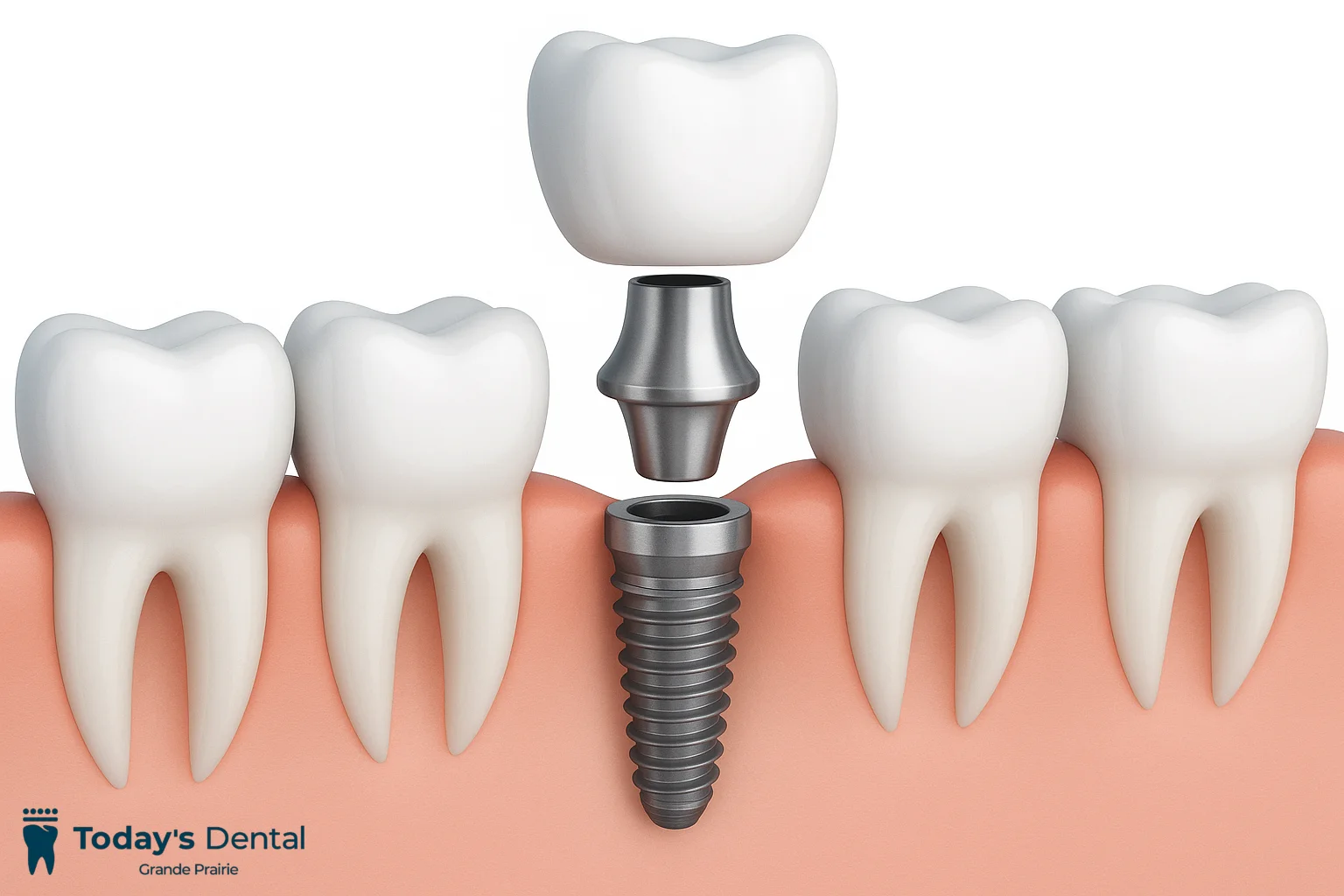
Experiencing a dental implant failure can be disappointing and concerning. You might wonder if this means you simply can’t have implants at all. The good news is that a previous implant failure doesn’t automatically disqualify you from successful implant treatment in the future.
Why Dental Implants Sometimes Fail
Dental implants have an impressive success rate of 95-98%, making them one of the most reliable tooth replacement options available. However, failures can occur for various reasons and are typically categorized as either early failures (within the first few months) or late failures (occurring a year or more after placement).
Early failures often happen when your jawbone and the implant don’t properly integrate. This can be due to insufficient bone density, movement during the healing process, or underlying health conditions that affect healing. Other factors might include smoking, diabetes, or medications that impact bone growth.
Late failures typically develop over time and may result from conditions like peri-implantitis (an infection affecting the tissues around the implant), excessive pressure on the implant, or physical trauma. Signs of a failing implant often include mobility, pain, swelling, or infection, though sometimes these symptoms aren’t immediately obvious.
Assessing Your Situation for Future Success
At Today’s Dental Grande Prairie, we approach implant failure with a comprehensive evaluation. This involves examining what might have contributed to your previous unsuccessful experience and determining how to prevent similar issues moving forward.
Our thorough assessment includes advanced 3D imaging to evaluate your bone structure and the implant site. This detailed analysis helps us understand if there are any underlying issues we need to address before attempting another implant procedure.
If your previous implant failed due to insufficient bone, we might recommend bone grafting to strengthen the foundation for a new implant. For patients who experienced infection-related failures, we’ll ensure any underlying oral health issues are properly treated first.
During this process, we’ll also discuss any lifestyle factors that might have affected your previous implant, such as smoking or teeth grinding, and develop strategies to minimize these risks for your next treatment.

Creating a Personalized Treatment Plan
Depending on your specific situation, we might recommend different approaches to replace the failed implant. In some cases, we can place a new implant immediately after removing the failed one. For others, we might suggest a healing period before attempting a second implant.
If traditional implants aren’t the best solution for your case, we can explore alternative options like All-on-4 dental implants, which can work with less bone density. These innovative approaches allow us to provide implant solutions even for patients who might not be candidates for conventional implant procedures.
For patients with more complex needs, we might suggest a combination approach using fewer implants with other restorations or explore non-implant alternatives like dental bridges to restore your smile.
Recovery and Long-Term Success
Following a second implant procedure, we put extra emphasis on proper monitoring and maintenance. Regular check-ups at our Grande Prairie clinic allow us to detect any potential issues early and address them before they lead to implant failure.
We’ll provide detailed aftercare instructions to help ensure successful osseointegration—the process where your bone naturally fuses with the implant. This might include guidance on oral hygiene practices, dietary recommendations during healing, and strategies to protect your new implant.
For patients with risk factors like teeth grinding, we might recommend protective mouth guards to prevent excessive pressure on the implant. If you have underlying health conditions that could affect healing, we’ll work closely with your physician to ensure these are well-managed throughout your treatment.
How Our Experienced Team Makes the Difference
The expertise of your dental team plays a crucial role in implant success. At Today’s Dental Grande Prairie, our experienced dentists have helped many patients achieve successful outcomes even after previous implant failures.
We stay updated on the latest implant technologies and techniques, allowing us to offer state-of-the-art solutions tailored to your specific needs. Our comprehensive approach considers all aspects of your oral health and medical history to maximize the chances of successful treatment.
Key Takeaway
A previous dental implant failure doesn’t mean you can’t enjoy the benefits of implants in the future. With proper assessment, personalized treatment planning, and expert care, many patients achieve successful outcomes with second implant procedures. At Today’s Dental Grande Prairie, we’re committed to helping you restore your smile with the most appropriate solution for your unique situation.
If you’ve experienced an implant failure and want to explore your options, we invite you to schedule a consultation at Today’s Dental Grande Prairie. Call our office at 8200 100 St Unit 110, Grande Prairie, AB T8V 6H7, or visit our contact page to take the first step toward regaining a healthy, functional smile.